
A heat pump is a highly efficient HVAC system that provides both heating and cooling. Unlike traditional systems that generate heat, heat pumps transfer heat from one place to another—making them ideal for Florida’s mild winters.
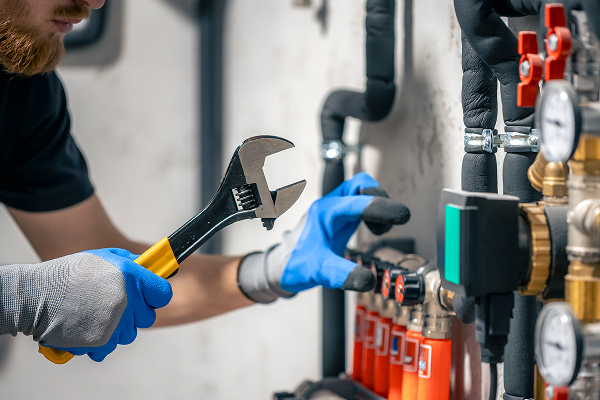
Heat pumps are 2-3 times more energy efficient than traditional heating systems. Move heat instead of generating it, saving 30-50% on energy costs.
One system does it all. No need for separate AC and furnace. Simplifies maintenance and saves installation costs.
No fossil fuel combustion. Lower carbon footprint. Uses electricity efficiently to move heat rather than generate it.
Ideal for our mild winters. Works efficiently in temperatures down to 25°F. Provides excellent cooling in hot summers.
Removes more moisture from your home than traditional AC. Keeps indoor humidity at comfortable levels year-round.
Modern heat pumps run quietly. Variable-speed models adjust output smoothly for consistent, whisper-quiet comfort.
Most common type. Transfers heat between your home and outside air.
Starting at $4,500 installed
No ductwork needed. Individual units in each room or zone.
Starting at $3,200 per zone
We evaluate your home, insulation, ductwork, and heating/cooling needs to recommend the right size system.
Choose from top brands and efficiency levels. We explain SEER ratings, features, and pricing options.
Licensed technicians install your system following manufacturer specifications and local codes.
Complete testing, refrigerant charge verification, and thermostat programming. We show you how everything works.
Heat pump installation typically ranges from $4,500 to $12,000 depending on system size, efficiency rating (SEER), and brand. Higher SEER systems cost more upfront but save significantly on energy bills. We offer financing options to make installation affordable.
Absolutely! Heat pumps are ideal for Florida’s climate. They excel in mild winters (which is what we have) and provide excellent cooling in summer. Modern heat pumps work efficiently in temperatures down to 25°F, well below what we typically experience in Tampa Bay.
With proper maintenance, heat pumps typically last 12-15 years. Regular tune-ups (twice yearly) can extend lifespan and maintain efficiency. Quality brands with professional installation tend to last longer than budget systems installed improperly.
Heat pumps provide the same cooling efficiency as traditional AC systems (both measured in SEER). The advantage comes in heating mode—heat pumps are 2-3 times more efficient than electric resistance heat. This means lower overall energy costs year-round.
Heat pumps need twice-yearly maintenance (spring and fall) since they run year-round. Service includes filter changes, coil cleaning, refrigerant check, electrical inspection, and reversing valve testing. Our maintenance plans cover all this and include priority service.
Get a free, no-obligation estimate. We’ll assess your home and recommend the perfect heat pump system.