
If you’re like most Florida homeowners, your HVAC system accounts for nearly 50% of your monthly energy bill—especially during our long, hot summers. The good news? You don’t have to sacrifice comfort to save money. With the right upgrades and strategies, you can significantly reduce your energy consumption while actually improving your home’s comfort level.
Let’s explore the most effective HVAC upgrades and modifications that deliver real, measurable savings on your energy bills.
Understanding Your Current Energy Usage
Before making any upgrades, it’s important to understand where your energy dollars are going. Your HVAC system’s energy consumption depends on several factors:
- System age and efficiency: Older units use significantly more energy
- Home insulation: Poor insulation forces your AC to work harder
- Ductwork condition: Leaky ducts waste 20-30% of cooled air
- Thermostat usage: Manual thermostats often lead to energy waste
- Maintenance history: Neglected systems lose efficiency over time
Top HVAC Upgrades for Maximum Savings
1. Upgrade to a High-Efficiency HVAC System
Potential Savings: 20-40% annually
If your AC is over 10-15 years old, it’s likely operating at 8-10 SEER (Seasonal Energy Efficiency Ratio). Modern high-efficiency systems operate at 16-22 SEER, using significantly less energy to provide the same cooling.
Real-World Example:
A 2,000 sq ft home in Tampa running a 10 SEER system might spend $250/month on cooling. Upgrading to an 18 SEER system could reduce that to $140-160/month—savings of $1,000-1,300 annually!
What to look for:
- SEER rating of 16 or higher (18+ for maximum efficiency)
- Variable-speed compressors that adjust to cooling demand
- Two-stage or modulating systems for better temperature control
- ENERGY STAR certification
2. Install a Smart Thermostat
Potential Savings: 10-23% annually | Cost: $150-$300 installed
Smart thermostats are one of the most cost-effective upgrades you can make. These devices learn your schedule, adjust automatically, and can be controlled remotely from your smartphone.
Key features that save energy:
- Learning algorithms: Automatically create efficient schedules
- Geofencing: Adjust temperature when you leave/return home
- Energy reports: Track usage and identify savings opportunities
- Humidity control: Optimize comfort without over-cooling
- Utility integration: Some utilities offer rebates and demand response programs
Popular options include Nest Learning Thermostat, Ecobee SmartThermostat, and Honeywell Home T9. Many come with rebates from local utilities, reducing your upfront cost.
3. Seal and Insulate Ductwork
Potential Savings: 15-30% annually | Cost: $1,000-$2,500
The EPA estimates that typical duct systems lose 20-30% of cooled air through leaks, holes, and poorly connected ducts. In Florida’s hot attics, this problem is magnified as cool air heats up traveling through poorly insulated ducts.
Professional duct sealing includes:
- Aeroseal technology that seals leaks from the inside
- Mastic sealant application at joints and connections
- Proper insulation (R-6 to R-8) in unconditioned spaces
- Pressure testing to verify improvements
⚠️ Important: Duct tape is NOT appropriate for sealing ducts (despite the name). It degrades quickly in heat. Always use proper mastic sealant or metal-backed tape designed for HVAC systems.
4. Upgrade to a Variable-Speed Air Handler
Potential Savings: 15-25% annually
Traditional single-speed air handlers run at 100% capacity or off—like a light switch. Variable-speed systems adjust airflow based on demand, running longer at lower speeds. This provides better humidity control, more consistent temperatures, and significant energy savings.
Benefits include:
- Reduced energy consumption during low-demand periods
- Better dehumidification (crucial in Florida)
- Quieter operation
- Improved air filtration
- More even temperatures throughout your home
5. Add Zoning to Your System
Potential Savings: 20-30% annually | Cost: $2,000-$4,500
HVAC zoning allows you to control temperatures independently in different areas of your home. This prevents wasting energy cooling unoccupied rooms or fighting temperature differences between floors.
Zoning is especially beneficial if you have:
- Multi-story homes
- Bonus rooms or additions
- Large square footage
- Rooms with high sun exposure
- Spaces used only occasionally
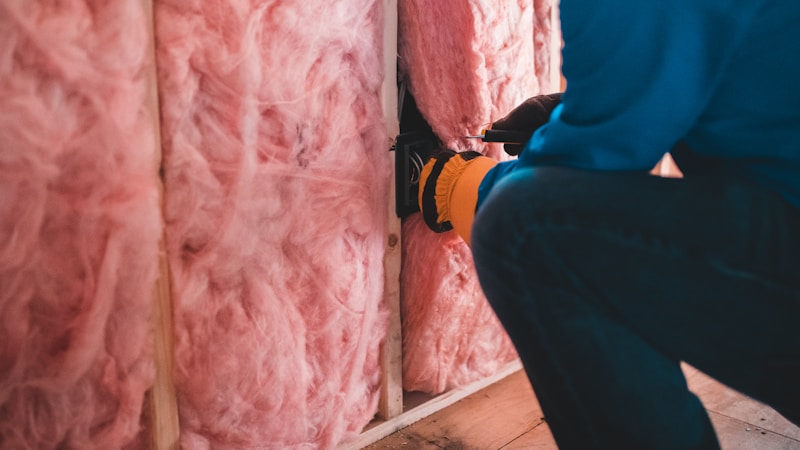
6. Improve Home Insulation and Air Sealing
Potential Savings: 10-20% annually
While not strictly an HVAC upgrade, improving your home’s building envelope dramatically reduces HVAC workload. Florida Energy Systems Consortium recommends R-30 to R-60 attic insulation for Florida homes.
Priority areas:
- Attic insulation: The #1 source of heat gain in Florida homes
- Air sealing: Gaps around windows, doors, electrical outlets, and plumbing penetrations
- Garage walls: If your garage shares walls with living spaces
- Windows: Consider low-E or reflective window film
Quick Wins: Low-Cost Changes with Immediate Impact
Not ready for major upgrades? These smaller changes deliver measurable savings:
Install a Whole-House Fan
Cost: $300-$800 | Savings: $200-400/year
During Florida’s cooler evenings and mornings, a whole-house fan can replace AC operation by drawing cool outdoor air through your home and exhausting hot air through the attic.
Upgrade to High-Efficiency Air Filters
Cost: $20-40/month | Savings: 5-10% on energy
While premium filters cost more, they improve airflow, system efficiency, and indoor air quality. Look for filters rated MERV 8-13 for the best balance of filtration and airflow.
Use Ceiling Fans Strategically
Cost: $50-300 per fan | Savings: Raise thermostat 4°F comfortably
Ceiling fans don’t cool air—they circulate it, creating a wind-chill effect that allows you to raise your thermostat setting while maintaining comfort. Each degree higher saves 3-5% on cooling costs.
Apply Window Treatments
Cost: $100-500 | Savings: 10-15% on cooling
Cellular shades, solar screens, or reflective window film on south and west-facing windows can dramatically reduce heat gain during peak sun hours.
Calculating Your Return on Investment
When considering HVAC upgrades, calculate your payback period:
Payback Period Formula:
Upgrade Cost ÷ Annual Energy Savings = Years to Payback
Example: Smart thermostat costs $250, saves $200/year = 1.25 year payback
Example: New AC costs $6,000, saves $1,200/year = 5 year payback
Don’t forget to factor in:
- Utility rebates and tax credits
- Financing options (0% APR promotions)
- Increased home value
- Improved comfort and air quality
- Reduced repair costs with new equipment
Available Incentives and Rebates
Take advantage of current incentive programs:
- Federal Tax Credits: Up to $2,000 for high-efficiency HVAC systems through 2032
- Utility Rebates: Duke Energy, Tampa Electric, and FPL offer rebates for qualifying equipment
- Manufacturer Rebates: Many brands offer seasonal promotions
- Financing Promotions: 0% APR for 24-60 months on qualifying systems
Creating Your Energy Savings Plan
Follow this prioritized approach:
- Start with maintenance: Ensure your current system is operating efficiently
- Add a smart thermostat: Immediate savings, low cost
- Seal ductwork: High ROI if you have accessible ducts
- Improve insulation: Reduces HVAC workload significantly
- Consider system replacement: If your unit is 10+ years old or frequently breaking down
- Add advanced features: Zoning, variable-speed, etc. during replacement
The Bottom Line
Lowering your energy bills doesn’t require sacrificing comfort. Strategic HVAC upgrades can reduce your energy consumption by 30-50% while actually improving your home’s comfort level. The key is choosing upgrades that match your budget, home characteristics, and energy usage patterns.
At Fahrenheit Heating & AC, we offer free energy assessments to help you identify the most cost-effective upgrades for your specific situation. Our technicians can calculate your potential savings and help you take advantage of available rebates and financing options.